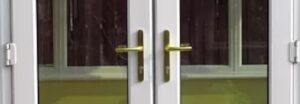
Understanding and Addressing Broken Door Handles: A Comprehensive Guide
Door handles act as important parts of our daily lives, helping with access to our homes and workplaces. However, like any mechanical gadget, they are susceptible to wear and tear gradually. A broken door handle can be a small inconvenience or a considerable security issue. This short article will explore the reasons behind broken door handles, provide solutions for repair or replacement, and deal preventive steps to prevent future issues.
Common Causes of Broken Door Handles
A range of aspects can lead to a door handle breaking. Understanding these causes can help in recognizing the right time for repair or replacement. Here are some regularly observed factors:
- Wear and Tear: Over time, daily usage can result in the deterioration of products, causing a failure of parts.
- Improper Installation: If a door handle is not set up properly, it can lead to misalignment and excessive pressure on specific parts, eventually causing damage.
- Ecological Factors: Exposure to severe weather can affect door handles made from certain products. For instance, metal handles can rust and damage, while plastic handles may fade or break due to UV direct exposure.
- Forceful Use: Excessive force from knocking doors or pulling on a handle can cause it breaking or becoming removed.
- Quality of Materials: Low-quality handles may not withstand routine usage and are more likely to break.
Indications of a Broken Door Handle
Recognizing the early signs of a malfunctioning door handle can prevent complete failure and the problems that might arise. Here are a few indicators:
- Wobbling Handle: A handle that doesn't operate smoothly or feels loose is typically a sign of an issue.
- Tightness: If a door handle is tough to turn or needs excessive force, there might be an underlying problem.
- Unresponsive Mechanism: If the handle does not engage the latch or lock appropriately, it might need repair or replacement.
- Visible Damage: Cracks or breaks in the handle or surrounding mechanism should be resolved instantly.
How to Fix a Broken Door Handle
Repairing a broken door handle can typically be an uncomplicated process, depending on the nature of the issue. Here are some actions to assist you through fixing a door handle:
Tools and Materials Needed
- Screwdriver
- Replacement handle (if essential)
- Lubrication (optional)
- Cleaning fabric
Step-by-Step Repair Process
- Assess the Damage: Determine if the handle can be fixed or if it requires to be changed.
- Get rid of the Handle: Use a screwdriver to loosen the handle from the door. Make certain to keep any screws in a safe location for reinstallation.
- Check Internal Components: Inspect the internal mechanism for any noticeable damage or misalignment, such as loose screws or broken parts.
Repair or Replace:
- Repair: Tighten screws, re-align parts, or lube moving parts if they are sticking.
- Change: If a part is broken beyond repair, you might need to set up a new handle. Follow the maker's instructions for proper installation.
- Reattach the Handle: Secure the handle back to the door and ensure it runs efficiently.
- Test the Functionality: Check that the handle opens and closes the door as anticipated. Change as necessary.
When to Call a Professional
While many broken door handle issues can be resolved with some DIY effort, particular situations require professional help. These consist of:
- Extensive Damage: If the door itself is harmed or deformed, professional assessment might be needed.
- Complex Mechanisms: For handles with locks, or electronic keypads, experts ought to handle repairs to avoid jeopardizing security.
- Consistent Issues: If duplicated repairs do not fix the problem, consulting a professional may be the best course forward.
Preventive Measures for Future Breakages
Taking proactive actions can considerably extend the lifespan of door handles. Consider the following tips:
- Regular Maintenance: Periodically examine handles for indications of wear and lube components to keep them working smoothly.
- Mild Use: Encourage all homeowners and employees to utilize handles carefully, preventing slamming or yanking.
- Quality Installation: Ensure that door handles are set up properly with the proper hardware for your door type.
- Product Choice: Invest in quality handles made from long lasting materials matched for your environment, whether indoor or outside.
Frequently Asked Questions (FAQs)
1. How much does it normally cost to replace a door handle?
The expense can vary extensively based on the quality of the handle and whether you are employing a professional. Normally, handles door handle repair contractor from ₤ 10 to ₤ 50 for standard models, while higher-end or specialized components can exceed ₤ 100.
2. Can I change a door handle myself?
Yes, many door handle replacements are DIY-friendly. With the right tools and a basic understanding of the installation process, you can successfully change a handle on your own.
3. What type of door handle is best for exterior doors?
For exterior doors, consider handles made from long lasting metals like brass, stainless steel, or other weather-resistant materials to guarantee durability and security.
4. How frequently should door handles be looked for maintenance?
It is recommended to examine door handles a minimum of two times a year or whenever you notice any indications of wear, as regular checks can capture problems before they escalate.
5. What should I do if my door handle is stuck?
If a handle is stuck, prevent forcing it. Rather, inspect for blockages, loosen up screws, and use lubrication if necessary. If the concern persists, think about calling a professional.
A broken door handle can disrupt daily regimens and pose security obstacles. By comprehending the common causes, recognizing early symptoms, and taking prompt action, people can efficiently manage this problem. Regular maintenance and preventive procedures further improve the longevity of door handles, ensuring that they continue to offer reliable gain access to for many years to come.